Blog

Multidimensions| Posted on May 08, 2023 |10 min Read

Locking Assemblies: The Innovative Solution for Efficient Power Transmission

Locking Assemblies: The Innovative Solution for Efficient Power Transmission

1. Introduction  

Connecting two shafts in a power transmission system is a key operation that necessitates reliability and precision. Keyways were formerly employed for this purpose, but this approach has limits, such as fretting corrosion, which can cause maintenance and downtime issues. Locking assemblies, sometimes known as powerlocks, have recently gained popularity as a replacement for standard keyways. By using a series of tapered rings that clamp the shaft and hub, powerlocks create a secure, wear-resistant connection. This article will look at how locking assemblies can be used to replace traditional keyways in shafts, providing increased reliability and efficiency.

1.1 Definition of Powerlocks / Locking Assemblies

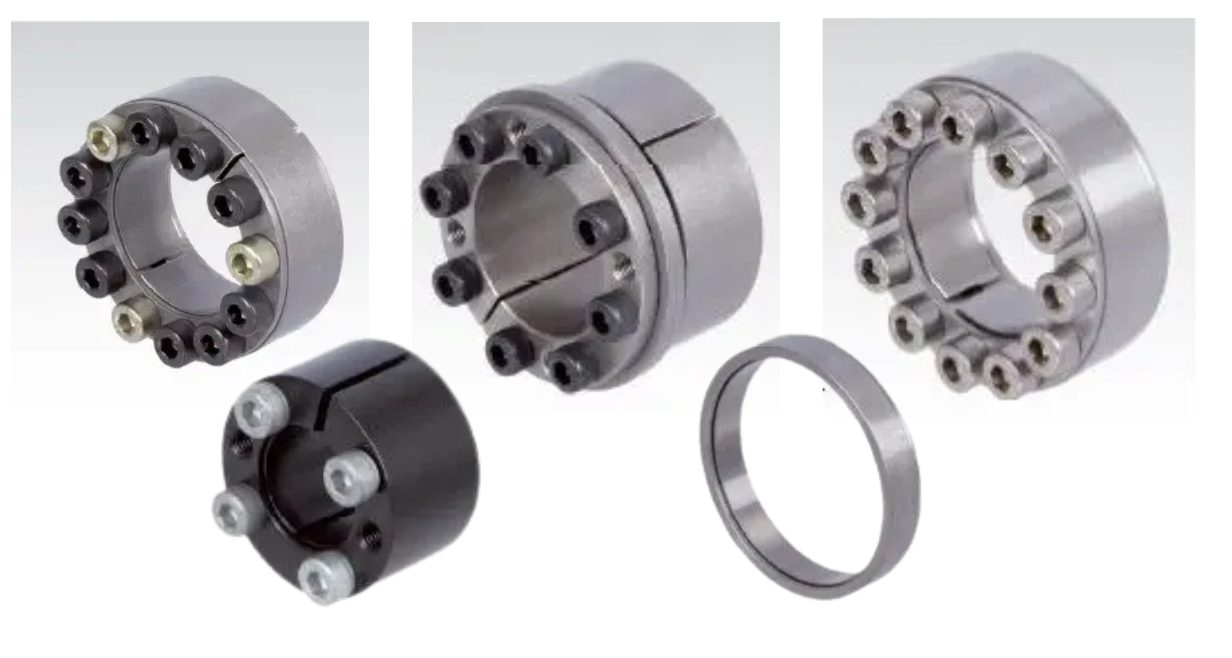
Locking assemblies, or Powerlocks, are mechanical devices employed in industrial applications to connect two shafts for power transmission. They utilize a set of tapered rings that hold the shaft and hub when tightened with a series of screws to give a solid, reconciled connection. This ensures efficient torque transmission while also preventing relative motion between the two shafts.


1.2 A brief overview of traditional keyways in power transmission systems

Traditional keyways, as opposed to powerlocks, rely on a key to transmit torque in power transmission systems. They are slots carved into the shaft and hub that allow a key to be inserted, enabling torque to be transmitted between the two components. However, these keyways may trigger concerns like fretting corrosion, which occurs when the key and keyway suffer micro-movements and wear against one another. This can lead to expensive maintenance and downtime.


2. Understanding Powerlocks / Locking Assemblies comprehensively

2.1 Working of Powerlocks / locking assemblies

Locking assemblies, or powerlocks as they are also known, function by employing a set of tapered rings, or bushings, that are positioned between the shaft and hub. When the rings are tightened with screws, they exert a clamping force that further tightens the connection between the shaft and the hub. This clamping force eliminates the need for a keyway and keeps the two components together during power transfer. The rings' taper leads them to hold the shaft and hub firmly, resulting in a reconciled and robust connection. It also provides better alignment, lowering the likelihood of transmission failure.


2.2 Advantages of Powerlocks / Locking Assemblies over Traditional Keyways 

Powerlocks, or locking assemblies, have various advantages over standard keyways. Perhaps the most significant advantages include the following:

  • Higher Torque Capacity: When compared to standard keyways, locking assemblies have a higher torque capacity, making them ideal for use in heavy-duty applications.
  • Backlash-Free Connection: Locking assemblies eliminate backlash between the shaft and hub, allowing for more precise power transmission.
  • Easy Installation and Removal: Locking assemblies are simple to install and remove, which makes maintenance and repairs more efficient.
  • Improved Alignment: When compared to traditional keyways, the tapered design of the rings in powerlocks permits enhanced alignment, thus lowering the probability of damage or failure due to misalignment.
  • Resistant to Wear, Vibration, and Corrosion: Locking assemblies are exceptionally resistant to wear, vibration, and corrosion, leading to a longer service lifespan as well as reduced downtime.
  • Reduced Downtime Due to Fretting Corrosion: Fretting corrosion is a prevalent concern with traditional keyways, causing maintenance and downtime issues. Locking assemblies resolve this problem, resulting in less downtime and lower maintenance expenses.

When compared to standard keyways, locking assemblies /  powerlocks provide a more reliable and effective substitute for establishing a connection between shafts in power transmission systems.


3. How to employ locking assemblies / powerlocks instead of typical keyways?

Now that we have already understood in the preceding paragraph that locking assemblies / powerlocks are an efficient replacement solution for traditional keyways in power transmission systems, as well as the benefits associated with them. Let us now examine how the replacement occurs and the most effective practices for it.

  • Step 1: Selecting the correct components.

It is essential to select the correct type and size of locking assembly / powerlock for the application. This includes taking into account factors such as shaft diameter, torque capacity, and operating circumstances such as the environment and temperature.

  • Step 2: The Installation

The installation process demands the utmost precision, including the use of necessary instruments and expertise. Prior to installation, cleaning and examining the shaft and hub should be done to ensure that they are free of dirt, damage, or wear that might hinder the performance of the locking assembly. To obtain the necessary clamping force, it is essential to provide the correct torque to the screws throughout the installation procedure. To ensure that the locking assembly is properly aligned, the screws should be adjusted uniformly and in a specified pattern.

  • Step 3: Inspection & Maintenance

Finally, in order to ensure that the locking assembly or powerlock continues to function as intended, it must be maintained and inspected at frequent intervals. Periodic inspections should be performed, and any symptoms of wear or damage must be addressed promptly to avoid malfunctions and downtime.


Overall, substituting traditional keyways with locking assemblies / powerlocks is a simple process that demands precision and attention to detail. The benefits of locking assemblies, such as improved durability and efficiency, can be fully realized by adhering to ideal procedures and adequate maintenance.


4. Applications of Powerlocks / Locking Assemblies

Locking assemblies / powerlocks are frequently employed in industries and applications that need heavy-duty, resilient, and efficient performance. The following are some prevalent applications for powerlocks / locking assemblies: 

  • Power Transmission Systems: Locking assemblies are frequently employed for connecting two shafts in power transmission systems such as pumps, motors, and generators.
  • Mining Equipment: Locking assemblies are utilized in heavy-duty mining equipment such as crushers and conveyors where a sturdy and durable connection is required.
  • Food & Beverage Industry: Locking assemblies are utilized in food packaging and processing machinery where cleanliness and hygiene are essential.
  • Maritime industry - Locking assemblies are used to attach the propeller shaft to the engine in maritime propulsion systems.
  • Agricultural equipment - Locking assemblies are used to connect the transmission to the engines in agricultural machinery such as tractors and combine.
  • Construction equipment: Locking assemblies are employed for connecting the engine to the transmission in heavy-duty construction equipment such as bulldozers and excavators.
  • Wind turbines:  Locking assemblies are used in wind turbines to connect the gearbox to the rotor hub, where they provide a firm and self-sustaining connection.
  • General Industrial applications : Along with the above said applications powerlocks are used in many other industrial applications.

Overall, locking assemblies, or powerlocks are adaptable mechanical devices utilized in a variety of applications that require a safe and durable connection.


5. Conclusion: 

5.1 A Quick Recap of the Workings and Advantages of locking assemblies / powerlocks

To summarize, the locking assembly/powerlock is an effective and dependable substitute for traditional keyways in power transmission systems. The benefits of adopting locking assemblies/powerlocks over keyways include enhanced precision, lower maintenance expenses, better product quality, and less downtime. A set of tapered rings is used in locking assemblies to produce a secure and reconciled connection between the shaft and the hub. As a result, the connection is dependable and long-lasting, as well as resistant to wear and vibration.


5.2  Future of locking assemblies/powerlocks 

In the future, it is anticipated that the application of locking assemblies/powerlocks will rise in popularity across a wide range of industries. As more businesses become aware of the benefits of adopting locking assemblies/powerlocks, they will most likely implement this technology to boost their productivity and bottom line. Furthermore, technological and material developments will continue to make locking assemblies more efficient and reliable, delivering even more benefits to consumers. The future of locking assemblies/powerlocks appears vivid, with traditional keyways projected to be phased out of power transmission systems.
 

Latest blogs to read