Blog
Common Contaminants in Bearings and How Nilos Rings Can Safeguard Against Them
- Introduction:
Bearing Contamination: The Silent Threat:
Bearings are the hidden heroes of innumerable industrial applications, carrying loads silently and allowing machinery to run smoothly. However, they are constantly threatened by contamination, which is often imperceptible. Bearing contamination can be disastrous, resulting in early wear, higher friction, and costly downtime. In this blog post, we will look at the pernicious world of bearing contamination and the critical function that Nilos Rings play in protecting these key components.
The Guardian of Bearings: Nilos Rings:
Enter the Nilos Rings, the unsung keepers of your bearings. These simple rings may not garner much attention, but their role in keeping bearings clean is nothing short of heroic. Nilos Rings serve as an effective barrier against various impurities, assuring the longevity and dependability of your bearings. As we progress through this blog post, we will learn how Nilos Rings are designed to protect bearings from common pollutants.
In the pages that follow, we'll dive deep into bearing contamination and the extraordinary defense systems of Nilos Rings. Our tour will involve a careful examination of the types of contaminants that imperil bearings, the damaging impact of contamination, and how Nilos Rings rise to the occasion. By the end of this blog post, you'll realize why Nilos Rings are essential for keeping your bearings in good condition and performing well.
- Common Contaminants in Bearings
Contaminant Types
Bearings, those unseen workhorses of machinery, are subjected to a never-ending barrage of pollutants. These intruders can cause havoc on bearings and reduce their performance. Let us now examine the three major forms of contaminants:
- Particulate pollutants (dust, dirt, and debris)
When it comes to bearing contamination, particulate pollutants are perhaps the most typical offenders. These minuscule particles can enter bearings through a variety of access locations, including seals and open gaps. Dust, dirt, sand, and debris from the surrounding environment are among them. These particles, which can be carried by air currents or introduced during routine maintenance, can be found in even the most superficially clean industrial settings.
- Liquids and moisture
Moisture, whether in the form of water or other liquids, is another major hazard to bearings. It can cause corrosion, rust, and lubrication breakdown, reducing a bearing's capacity to perform optimally. Leaks, condensation, and exposure to extreme weather conditions can all be sources of moisture contamination in industrial environments. Even the tiniest bit of moisture can be harmful over time.
- Corrosive Substances (Chemical Contaminants)
Chemical pollutants are stealthy carrying saboteurs. Corrosive compounds found in the industrial environment include acids, solvents, and chemicals. These pollutants have the potential to rapidly damage bearing components, resulting in premature wear and failure. Chemical pollutants frequently enter bearings as a result of contact with the surrounding environment or inadvertent spillage.
Contaminant Sources in Industrial Settings
Understanding the source of these contaminants is critical for efficient contamination prevention:
- Environmental contaminants: Industrial settings are rarely immaculate, and environmental contaminants such as dust, pollen, and dirt can eventually penetrate bearings.
- Operating operations: The very operationsthat utilizee bearings might produce pollutants. Grinding or cutting processes, for example, might emit particles into the air.
- Maintenance Procedures: Surprisingly, if not performed with care, maintenance procedures might introduce pollutants. Lubricants, cleaning chemicals, and instruments used during maintenance can all damage bearing cleanliness inadvertently.
- External pollutants: Bearings in outdoor locations may be subjected to a variety of pollutants such as precipitation, industrial fumes, and airborne particles.
In this atmosphere of potential contamination threats, Nilos Rings emerge as indispensable bearing guards. Their role in sealing against these impurities will be discussed further in this blog post, providing a barrier against these persistent intruders while also extending the life and reliability of your bearings.
- The Impact of Contamination on Bearings
Contamination in all of its manifestations is a constant and insidious threat to bearings. Its consequences can be far-reaching and disastrous, compromising the performance and longevity of these crucial components over time. Let's look at the three main negative effects of bearing contamination:
Reduced Lubrication Efficacy
Bearings need lubrication to function properly. It minimizes friction, absorbs heat, and keeps metal from coming into contact with metal within the bearing assembly. When contamination enters a bearing, it can upset the delicate equilibrium. Particulate impurities, for example, can combine with lubricant to generate abrasive particles that grind away at bearing surfaces. As a result, lubrication effectiveness suffers significantly, resulting in increased heat generation and wear.
Increased Friction and Wear
Contaminants behave like small intruders, thereby turning bearing operations into a fight. As pollution accumulates within a bearing, it causes increased friction. This increased friction not only wastes energy but also hastens the wear and tear on bearing components. It can cause pitting, scoring, and other types of damage over time, limiting the bearing's capacity to function properly.
Downtime and Bearing Failure
The combination of decreased lubrication efficacy, increased friction, and wear frequently results in the worst-case scenario: bearing failure. When a bearing breaks, it can cause expensive downtime for machines and manufacturing operations. The consequences can include broken equipment, missed deadlines, and even hazardous circumstances in particular industries, in addition to financial losses. Bearing replacement and associated maintenance raise operational expenses even higher.
We will learn about how Nilos Rings, with their unique sealing capabilities, play a vital role in the prevention of contamination issues in bearings as we progress through this blog post. Stay tuned to learn the science behind their protective prowess and how they help maintain the health and performance of your machinery.
- Nilos Rings: The Contamination Prevention Solution
Overview of Nilos Rings and Their Design
Even though they have a modest appearance, Nilos Rings are strong protectors of bearings from pollution. These cutting-edge parts were thoughtfully created with the urgent requirement for contamination protection in mind. An introduction to Nilos Rings and its meticulous design should come first.
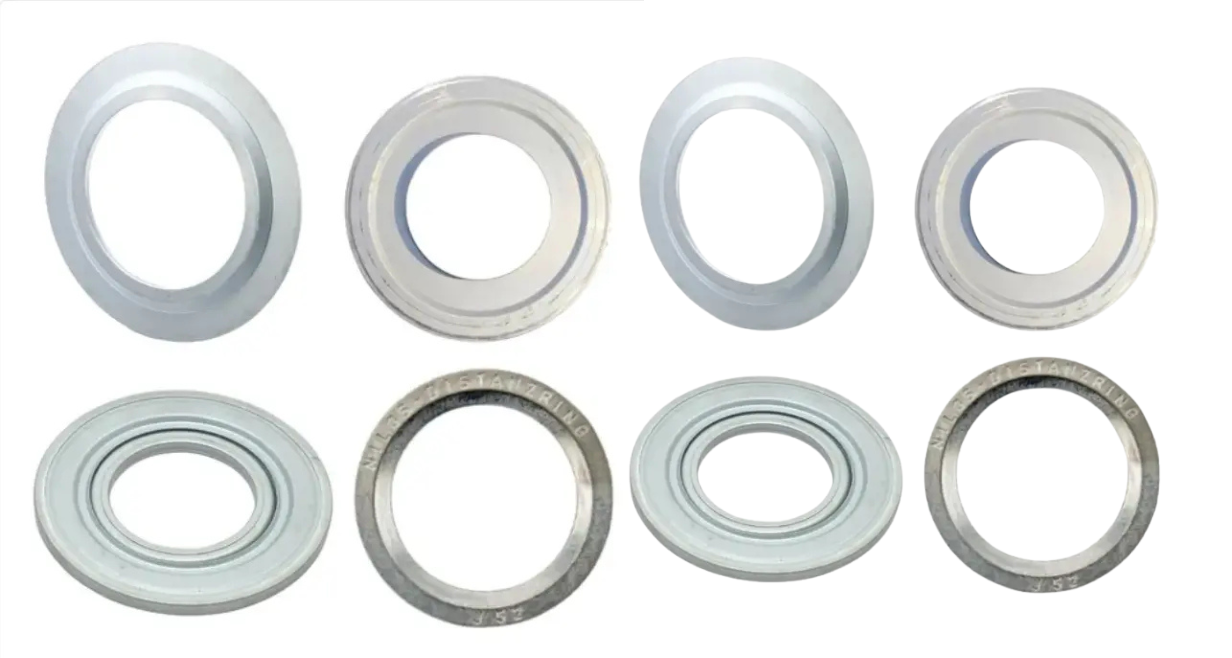
Nilos Rings, often referred to as sealing rings or sealing elements, are elastomeric or metal rings that are carefully placed around a bearing's outer race. They have a few distinctive features that define their design:
- Metal or Elastomeric Construction: Steel, stainless steel, and a variety of elastomers are just a few of the materials that are used to make Nilos Rings. The requirements of the application, such as temperature, chemical exposure, and durability, determine the material to be used.
- Precision Fit: The dimensions of these rings are precisely manufactured to match those of the bearing, assuring a tight fit without impairing the bearing's performance.
- Integrated Seal: Nilos Rings typically have an incorporated seal lip that makes contact with the inner race of the bearing. This seal lip's purpose is tomaintain proper lubrication while offering an efficient barrier against pollutants.
How Nilos Rings Act as a Protective Barrier
The actual magic of Nilos Rings comes in their capacity to operate as a protective barrier that shields bearings from pollutants. A number of elements work together to produce this barrier function:
- Seal Lip: The seal lip keeps impurities from getting inside the bearing assembly by making contact with the inner race of the bearing. It successfully keeps out chemicals, moisture, and particle pollutants.
- Full Circumferential Coverage: Nilos Rings completely round the bearing, leaving no open regions where contaminants could enter.
- Consistent Pressure: Nilos Rings apply a steady pressure to the inner race of the bearing to ensure a reliable seal. Despite mechanical vibrations or temperature fluctuations, this pressure aids in preserving the seal's integrity.
Specific Features Making Nilos Rings Effective in Contamination Prevention
Nilos Rings' effectiveness in avoiding pollutants can be linked to a number of distinct characteristics:
- Seal Material Compatibility: Nilos Rings are available in a variety of seal materials that have been carefully selected to withstand particular pollutants. Elastomeric seals, for instance, can survive contact to chemicals and moisture.
- High-quality Production: Nilos Rings are expertly built and produced to rigorous standards, ensuring dependability and consistency.
- Durability: These rings are made to endure the harsh conditions found in industrial settings, such as exposure to heat, dust, and mechanical stress.
- Customization: Nilos Rings can be modified to meet the unique needs of various applications, including changes to size, material, and seal design.
As we go more into the realm of Nilos Rings, we'll learn more about their function in protecting bearings from impurities and the practical advantages they provide to sectors of the economy that depend on dependable machinery operation. Watch this space for more details on how Nilos Rings improve bearing longevity and health.
- How Nilos Rings Safeguard Against Common Contaminants?
Particulate Contaminants
- Constructing a Particle Barrier Physically
As a physical barrier against particle pollutants, Nilos Rings are highly effective. These rings form a complete circle when put around a bearing, shielding it from harm. Nilos Rings' tight fit and design prevent foreign objects like dust, dirt, and debris from getting inside the bearing's internal workings. They guarantee that these impurities stay outside by maintaining a tight seal, keeping the cleanliness of the bearing.
- Protecting bearings from dust and debris
In order to maintain a clean and contaminant-free environment inside the bearing assembly, Nilos Rings are excellent at keeping dust and debris out of bearings. This is essential for making sure everything runs smoothly and avoiding early wear and damage brought on by abrasive particles.
Moisture and Liquids
- Sealing Against Liquids like Water and Oil
Oil and water are no match for Nilos Rings when it comes to sealing against liquids. They effectively block the entry of moisture and liquids into the bearing thanks to their incorporated seal lip. This sealing property helps shield bearings from rust, corrosion, and lubrication breakdown that can happen when they are exposed to moisture or when liquids dilute their lubricants.
- Maintaining Proper Lubrication
The longevity and performance of a bearing depend heavily on maintaining optimum lubrication. In this aspect, Nilos Rings are crucial. They guarantee that the lubrication inside the bearing remains effective by keeping out moisture and other liquids that can damage lubricants. In turn, this lessens wear and friction, extending the life of the bearing.
Chemical pollutants
- Preventing Corrosion from Exposure to Chemicals
Nilos Rings are designed to withstand corrosion from exposure to chemicals. Nilos Rings offer an additional layer of protection for bearings in settings with corrosive materials. In order to protect the bearing against corrosion, they carefully consider the materials they use and the seal designs they use to withstand chemical attack.
- Applicability in Corrosive Conditions
Nilos Rings are an excellent choice for usage in corrosive situations because of their resistance to chemical pollutants. The protective qualities of Nilos Rings can be extremely advantageous to industries that work with corrosive chemicals, acids, or solvents by protecting their bearings from early failure and associated maintenance expenses.
Nilos Rings are exceptional at protecting bearings from common pollutants by erecting physical barriers, keeping out liquids and moisture, and preventing corrosion in harsh conditions. Their extensive protection features help keep bearings dependable and durable in a variety of industrial applications.
- Maintenance Tips for Nilos Rings
Nilos Rings are essential parts of the bearing's protection against pollutants. Here are some useful maintenance suggestions to make sure they operate at their peak and continue to protect your bearings:
- Regular Inspection: Schedule routine inspections to check on the health of the Nilos Rings. Look for indications of deterioration, injury, or distortion. If there are any obvious problems, they should be fixed immediately to maintain the seal's integrity.
- Lubrication: Make sure that the Nilos Rings are properly lubricated, especially if they are in contact with the inner race of the bearing. The efficiency of the seal is maintained, and premature wear is avoided with proper lubrication.
- Cleanliness: Maintain the cleanliness of Nilos Rings and the surrounding surroundings. Reduce the amount of dirt, trash, or other impurities that collect on or near the rings. When doing routine maintenance, clean the rings as necessary.
- Tightness: Regularly check the Nilos Rings' tightness. They ought to continue to fit tightly around the outer race of the bearing. Reposition or replace any loose rings as necessary.
- Replacement: Nilos Rings must be replaced because their life span is limited. They may require replacement at predetermined times, depending on their use and environmental circumstances. For replacement schedules, adhere to manufacturer guidelines or industry norms.
- Conclusion:
Nilos Rings are trustworthy keepers in the fight against contamination of bearings. Their exact construction and safeguarding characteristics provide protection from dust, moisture, and caustic materials. However, frequent maintenance and inspections are necessary to guarantee their continuous effectiveness. These unassuming rings quietly safeguard the integrity of your operations by playing a crucial role in ensuring the performance and reliability of your gear. Nilos Rings are dependable friends in the ongoing war against contamination, extending the life and performance of your industrial machinery.
- Reference Links:
- Principle Brand’s Official Website: NILOS
- Products: Nilos - Multidimensions
*Please note that the information provided in this blog is a combination of AI-generated information models, the expertise of human writers, and industry professionals. All efforts have been made to ensure the accuracy and reliability of the information presented here.
Share this article
