Blog
Precision and Efficiency: Electromagnetic Clutches and Brakes in Material Handling Systems
1. Introduction
The demand for the efficient and safe movement of big loads in the material handling industry for ensuring successful operations is very high. Electromagnetic clutches and brakes provide numerous benefits over conventional mechanical alternatives, including better efficiency, lower maintenance costs, improved security, and environmental advantages. In this article, we will cover each of these perks in further detail, as well as illustrate why electromagnetic clutches and brakes are becoming increasingly prevalent in the material handling industry. You will have an enhanced understanding of why organizations should consider employing electromagnetic clutches and brakes for their material handling requirements by the end of this article.
2. What are Electromagnetic Clutches and Brakes?
2.1 Definition of Electromagnetic Clutches and Brakes
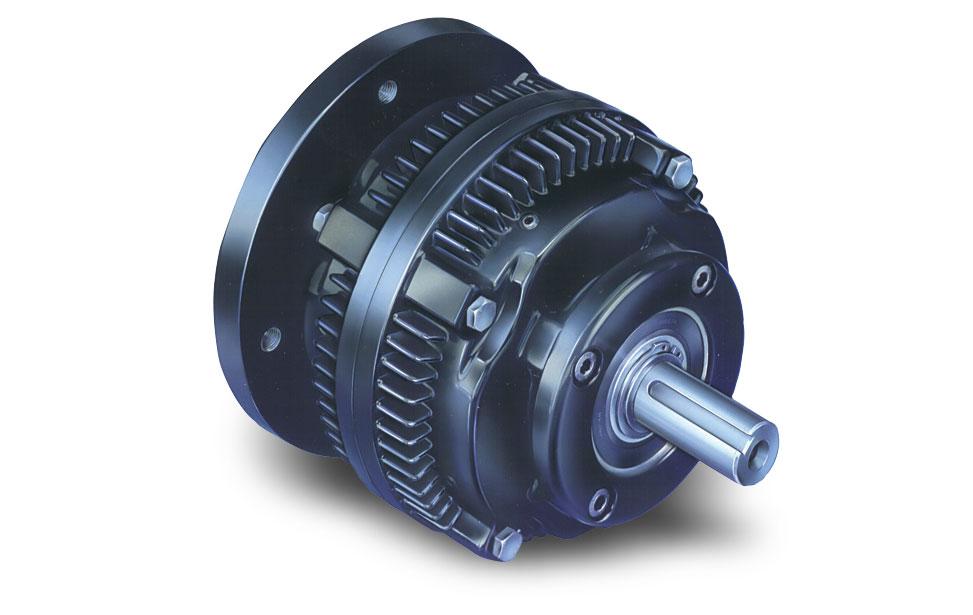
Electromagnetic clutches and brakes are devices that use electromagnetism concepts to regulate power and rotary movement in mechanical systems through the application of energized coils. These devices are made up of two primary segments: a rotor and a stator. The electromagnetic force produced by energizing the coils allows for quick and precise regulation of power and movement in mechanical systems. Electromagnetic clutches and brakes are widely employed in industrial applications such as material handling, robotics, and automation systems.

2.2 Working of Electromagnetic Clutches and Brakes
Electromagnetic clutches and brakes are made up of two parts: a rotor and a stator. When stimulated by the electromagnetic force generated by the energizing coils, these two components serve a vital purpose in accurately regulating the power and movement in mechanical systems in both clutches and brakes.
a. Electromagnetic Clutches
A tiny air gap separates the rotor and stator in an electromagnetic clutch. When an electrical current is passed via the stator, an electromagnet produces a magnetic field. The rotor is usually made of ferromagnetic material and is drawn by the magnetic field produced by the stator. The rotor contacts the driving component when the stator is energized, allowing power to be delivered between them. When the stator is turned off, the rotor disengages from the driving component, interrupting power transmission.
b. Electromagnetic Brakes
An electromagnetic brake, on the other hand, works in the opposite order. Typically, the rotor and stator are in contact, and the stator is energized to generate a magnetic field that pulls the rotor and slows or stops its movement. When the stator is de-energized, the magnetic field minimizes, and the rotor is free to rotate again.
3. How are electromagnetic clutches and brakes used in the material handling industry?
Electromagnetic clutches and brakes are frequently utilized in the material handling industry to precisely and effectively control the movement of heavy loads. Electromagnetic clutches and brakes are extensively employed in conveyor systems, lift systems, and other applications where it is essential to start, cease, or regulate the movement of loads.
In material handling systems, electromagnetic clutches and brakes operate similarly to their parallels in other industrial applications. An electromagnetic clutch is used to connect or split a power supply from a load, allowing the load to move. An electromagnetic brake, on the other hand, is employed to keep the weight stationary or slow its motion.
One of the primary benefits of using electromagnetic clutches and brakes in material handling is that they can be regulated precisely, allowing for accurate and reliable load movement. They may also transmit large levels of torque, making them ideal for managing heavy loads. They are also more durable and require less maintenance than conventional mechanical clutches and brakes because they do not rely on frictional force.
Overall, electromagnetic clutches and brakes have gained prominence in the material handling industry for their capacity to offer accurate and dependable control over heavy load movement, making them a vital tool in this field.
4. Advantages of Electromagnetic Clutches & Brakes
In material handling, electromagnetic clutches and brakes have several benefits. For instance, they provide dependable and accurate control over the moving and halting of material handling equipment, ensuring maximum productivity and safety. Furthermore, they require less maintenance and last longer than conventional types of clutches and brakes, minimizing downtime and repair expenses. Another advantage is their ability to function quietly and smoothly, decreasing noise pollution and equipment wear and tear. Finally, electromagnetic clutches and brakes are simple to integrate into automated material handling systems, increasing efficiency while decreasing the need for manual intervention. In the next paragraph, we have included all of the benefits as well as the data attributed to them.
- Precise Control: Electromagnetic clutches and brakes facilitate excellent control of load speed and movement, permitting seamless and consistent handling.
- Swift Response: Using an electrical signal, these clutches, and brakes can be swiftly engaged or released, offering faster response times and greater flexibility in the material handling process.
- Low Maintenance: Electromagnetic clutches and brakes require minimum maintenance while operating longer than standard mechanical brakes, decreasing downtime and maintenance expenses.
- High Durability: These clutches and brakes have been designed to endure heavy loads and extreme wear and tear, making them perfect for heavy-duty industrial applications.
- High Security: Electromagnetic clutches and brakes offer simple integration into safety systems, ensuring safe and dependable material handling.
- Conservation of Energy: Because these clutches and brakes do not require continuous power to be engaged, they save energy and have lower operating expenses.
- Noise Reduction: Electromagnetic clutches and brakes produce less noise than standard mechanical brakes, resulting in an enhanced, serene working environment.
- Increased Productivity: The precise control, quick response times, and dependability of electromagnetic clutches and brakes can lead to greater efficiency and productivity in material handling operations.
- Versatility: These clutches and brakes can be easily customized and programmed to meet unique material handling needs, allowing for increased design flexibility in material handling systems.
- Environment Friendly: Because electromagnetic clutches and brakes are energy efficient, they reduce energy consumption and carbon emissions, making them a green choice for material handling systems.
Overall, the benefits of employing electromagnetic clutches and brakes in material handling systems are many and substantial, as they provide more control, reliability, and performance in the material handling process.
5. Conclusion
Ultimately, in material handling systems, electromagnetic clutches and brakes offer substantial benefits over conventional mechanical solutions. They offer precise and dependable control, swift response times, low maintenance demands, and long life. They are also energy-efficient, environmentally friendly, and may be customized to meet distinctive material handling objectives. The usage of electromagnetic clutches and brakes can result in increased efficiency and productivity, as well as greater safety and a more serene working environment. Overall, the use of electromagnetic clutches and brakes is a wise and effective solution for any industrial application that requires precision, durability, and reliability.
Share this article