Blog

Multidimensions| Posted on Jun 20, 2023 |15 min Read

Precision Redefined: Understanding the Importance of Ball Screws in Accurate Motion Control

Precision Redefined: Understanding the Importance of Ball Screws in Accurate Motion Control

1. Introduction: 

Ball screws are critical components in high-precision motion control. They are essential in translating rotational motion to linear motion, providing improved accuracy, efficiency, and dependability. This blog post will look at the different applications of ball screws and how they play an important part in obtaining precise motion control in a variety of sectors. But first, let's learn more about ball screws and how they work.

Definition

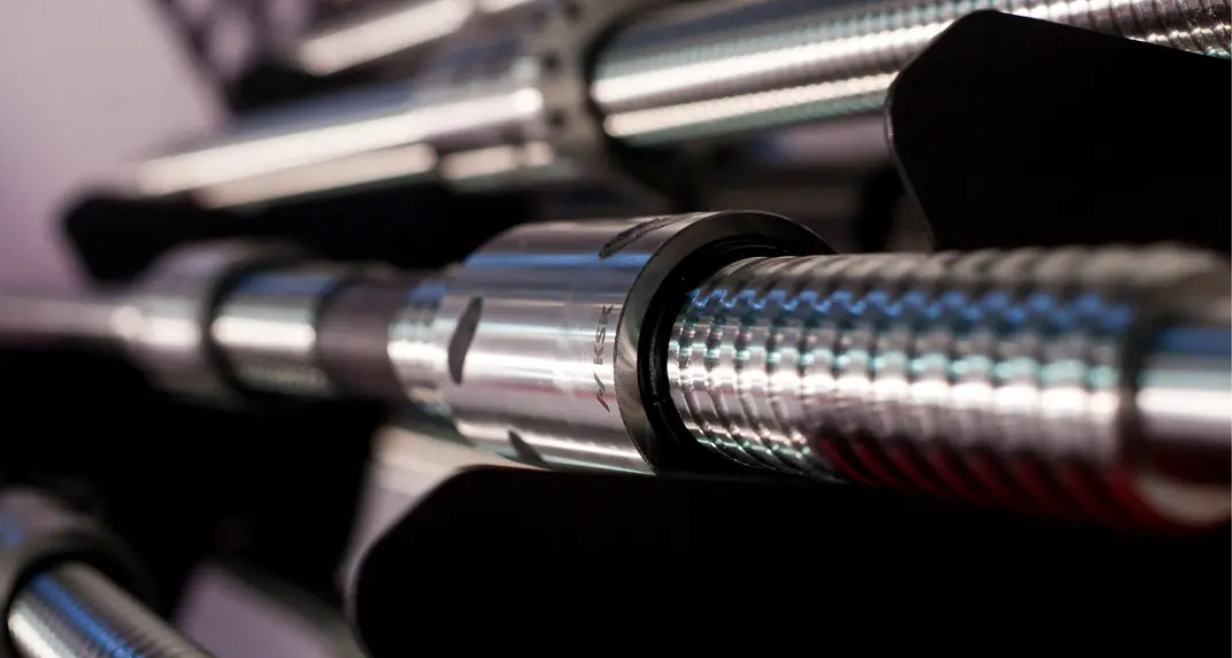
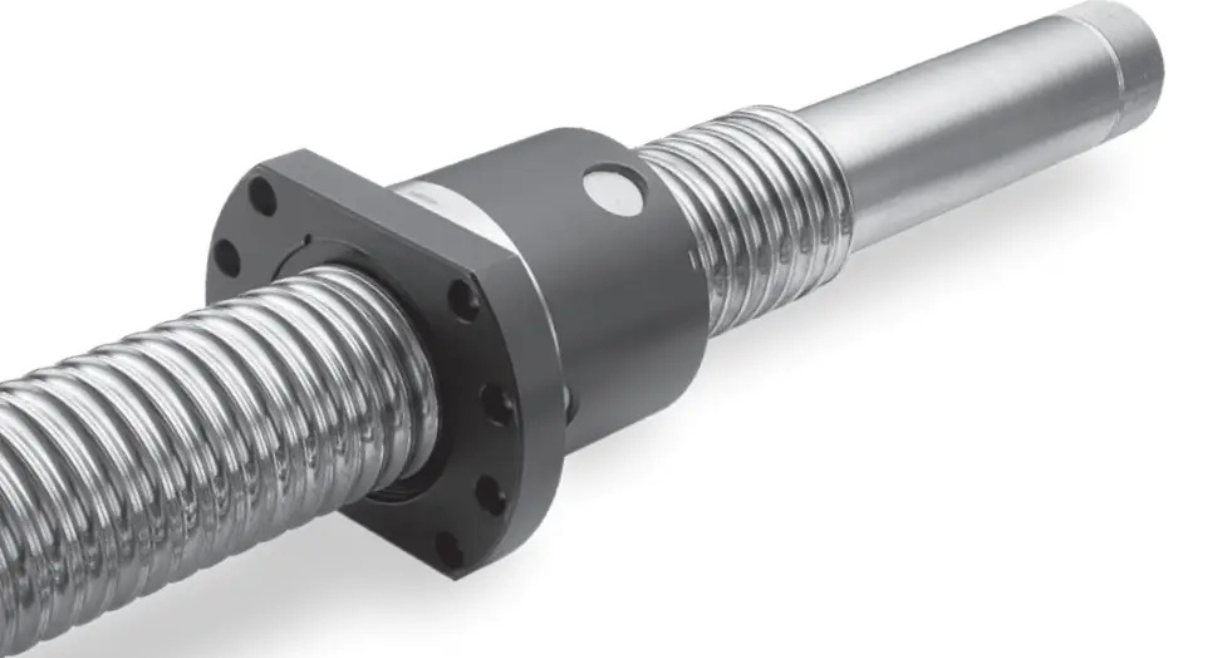
Ball screws are mechanical components that allow rotational motion to be converted into linear motion. They are made up of a screwed shaft and a nut with recirculating ball bearings. The ball bearings move between the screw and the nut, eliminating friction and allowing for smooth and precise linear movement.


The significance of high-precision motion control:

High-precision motion control is essential in many sectors where accuracy, repeatability, and dependability are critical. It ensures precise positioning, smooth operation, and synchronized component and system movement. High-precision motion control is critical for achieving optimal performance, efficiency, and safety in manufacturing, aerospace, medical equipment, and other sectors.

Thesis assertion:

This blog post examines the various applications of ball screws and emphasizes their importance in obtaining precise motion control. We will understand how ball screws contribute to high-precision motion control and their importance in enabling accurate and efficient linear motion by digging into diverse industries and displaying real-world applications.

2. Understanding Ball Screws

Overview of ball screws and their components:

Ball screws are mechanical devices that are made up of three major parts: a screw, a nut, and a set of ball bearings. The screw has a threaded shaft with helical grooves, and the nut has a corresponding helical groove. Precision ball bearings rotate between the grooves between the screw and the nut. The ball bearings serve as the interface between the screw and the nut, providing smooth and efficient motion transfer.

Explanation of how ball screws convert rotational motion into linear motion:

The primary purpose of ball screws is to convert rotational motion to linear motion. The ball bearings inside the nut move along the helical grooves as the screw is rotated, causing the nut to move linearly along the length of the screw. As a result, the screw's rotating motion is converted into precise linear motion, allowing for exact positioning and controlled movement of various systems and components.


The significance of precision, efficiency, and reliability in high-precision motion control:

Accuracy, efficiency, and dependability are essential for high-precision motion control, and ball screws excel in these areas. Ball screws reduce backlash, allowing for precise and repeatable placement while maintaining high levels of precision. Furthermore, they provide excellent efficiency by eliminating friction and energy losses by the use of recirculating ball bearings, resulting in smooth and efficient linear movement while consuming less power. Furthermore, ball screws are extremely dependable, having the ability to handle enormous loads, resist wear, and provide a long service life in harsh industrial conditions. Ball screws are crucial in attaining precise motion control across a wide range of sectors due to their combination of accuracy, efficiency, and dependability. They allow for desired positions, smooth transitions, and synchronized movements, thereby improving productivity, quality, and safety.

3. Applications of Ball Screws: 

Ball screws are employed in a variety of sectors where high-precision motion control is required. Here are some prominent applications of ball screws in various industries:

Industrial Automation and Manufacturing:

  • CNC Machines: Ball screws are commonly used in CNC machines for the precise positioning of cutting tools, ensuring accurate and repeatable machining operations.
  • Robotic Systems: Ball screws are used in robotic arms and automated systems to enable accurate movement and control in assembly lines and material handling activities.
  • Packaging & Material Handling: Ball screws are used in packing machines and material handling equipment to provide precise and efficient transportation of items.

Aviation and aerospace:

  • Flight Control Systems: Ball screws are used in aircraft flight control surfaces such as ailerons, elevators and rudders to provide accurate and responsive control of aircraft movements.
  • Landing Gear Mechanisms: Ball screws contribute to the smooth and reliable operation of landing gear systems, allowing for safe and precise deployment and retraction of landing gears.
  • Aircraft Engine Components: Ball screws are used in a variety of engine components, including thrust reversers and variable inlet guide vanes, to ensure accurate adjustment and control of engine functions.

Medical Equipment:

  • Medical Imaging Systems: Ball screws enable precise positioning of imaging components in medical imaging equipment such as CT scanners and MRI machines.
  • Surgical Robots: Ball screws in surgical robots offer accurate and controlled movement, enabling surgeons in executing minimally invasive procedures with high precision.
  • Laboratory Automation: Ball screws are used in laboratory automation equipment such as liquid handling systems and sample positioning devices to ensure precise and reliable movement during scientific operations.

Manufacturing of Semiconductors:

  • Wafer Handling Equipment: During the manufacturing process, ball screws are used in robotic arms and handling systems to precisely move and place semiconductor wafers.
  • Lithography Systems: Ball screws help to provide perfect patterning on silicon wafers by allowing optical systems and stages in semiconductor lithography equipment to move precisely.
  • Chip Assembly: Ball screws are used in chip bonding and flip-chip assembly equipment, allowing microchips to be precisely aligned and positioned throughout the packaging process.

The Automobile Industry:

  • Power Steering Mechanisms: Ball screws are utilized in power steering mechanisms to ensure smooth and precise steering control.
  • Electric Vehicle Charging Stations: Ball screws play a part in automated charging connectors, providing accurate and dependable alignment for seamless connection to electric vehicles.
  • Production Lines:  Ball screws are used in automotive assembly lines to allow for the exact movement and positioning of car components during the manufacturing process.

Tools for Machines:

  • Milling Machines: Ball screws allow milling machine tables to move accurately and precisely, allowing for high-quality machining and milling processes.
  • Lathes: Ball screws help to precisely place and move cutting tools in lathes, ensuring perfect turning and shaping of workpieces.
  • Grinding Machines: Ball screws are utilised in grinding machine tables and wheelhead settings to provide precise and controlled movement for grinding operations.

These are just a few examples of ball screw applications in many sectors. Because of their ability to provide high-precision motion control, they are vital in attaining accurate positioning, smooth movements, and reliable operation in a wide range of industrial operations.

4. Advantages associated with the use of ball screws: 

  • High precision and accuracy: One of the most significant advantages of ball screws is their ability to provide high precision and accuracy in motion control applications. Ball screws are designed and built to minimise backlash, guaranteeing minimum play or free movement between the screw and the nut. This feature enables precise and repeatable alignment, making ball screws excellent for applications requiring tight tolerances and precise positioning.
  • Smooth and efficient motion control: Due to the use of recirculating ball bearings, ball screws provide smooth and efficient motion control. These bearings eliminate friction between the screw and the nut, allowing for smooth, resistance-free linear movement. As a result, power transmission is more efficient, energy consumption is lowered, and machinery or systems operate more smoothly. This efficiency not only improves overall performance but also contributes to the equipment's operating life.
  • Reliability and durability: Ball screws are extremely reliable and robust components that can survive harsh industrial settings. They are built to withstand heavy weights, resist wear and tear, and have a long service life. Ball screws are sturdy and durable due to the use of high-quality materials and precision manufacturing procedures. Because of their dependability, they are ideal for sensitive applications requiring regular and dependable performance.
  • Long-term cost-effectiveness: While the initial cost of ball screws is higher than that of other linear motion systems, they offer significant long-term cost-effectiveness. Ball screws' excellent precision and accuracy contribute to improved product quality, less scrap, and increased overall productivity. Furthermore, their dependable performance and long service life result in lower long-term maintenance and replacement expenses. The efficiency of ball screws also helps lower power consumption, potentially saving energy in motion control systems.

Ball screws' advantages, such as high precision, smooth motion control, reliability, and cost-effectiveness, make them indispensable in applications requiring accurate linear motion. Their capacity to provide precise positioning, efficient power transfer, and long-term durability provides optimal performance and productivity across a wide range of sectors.

5. Future Innovations and Trends

Emerging technologies and technological advances in ball screw design:

The subject of ball screw technology is constantly growing, with various new innovations and improvements defining its future. Some examples are:

  • Miniaturization: Advances in miniaturization are permitting the development of smaller, more compact ball screw systems appropriate for applications with limited space.
  • Smart Ball Screws: The incorporation of sensors and monitoring systems within ball screws allows for real-time feedback on performance, wear, and maintenance requirements, resulting in increased predictive maintenance and reliability.
  • Improved Materials and Coatings: Ongoing research is focused on developing novel materials and surface coatings that offer greater wear resistance, decreased friction, and increased load capacity, further increasing ball screw performance and lifetime.
  • High-Speed Capabilities: Ball screw design innovations strive to achieve higher rotational speeds without sacrificing precision, enabling for faster and more efficient linear motion.

Ball screw applications in emerging industries:

New applications for ball screws are emerging as technology and industry evolve. Some potential applications for ball screws in the future include:

  • Renewable Energy: Ball screws can be used to optimise energy capture and improve the efficiency of renewable energy systems in solar tracking systems and wind turbine pitch control mechanisms.
  • Virtual Reality and Augmented Reality: As the need for immersive experiences increases, ball screws could be used in motion simulators and haptic feedback devices to give realistic and precise movements.
  • 3D Printing: Ball screws have the potential to improve 3D printer precision and accuracy, enabling for higher-quality prints with finer details.
  • Microelectronics and Nanotechnology: Ball screws could play a role in the exact positioning and manipulation of minuscule elements in microelectronics and nanotechnology applications, with the increasing demand for miniaturized electronic components.

Anticipated improvements in precision and performance:

Ball screw technology developments are projected to result in increased precision and performance. Among the projected enhancements are:

  • Higher Accuracy: Ongoing research intends to reduce backlash and enhance overall ball screw accuracy, allowing for even finer placement and control.
  • Increased Load Capacity: Innovations in ball screw design and materials are expected to result in larger load capacities, allowing heavier loads to be handled without sacrificing precision.
  • Improved Speed and Efficiency: Future advancements may allow ball screws to achieve higher rotational speeds and improved energy efficiency, resulting in faster and more productive motion control systems.
  • Integration with Digital Control Systems:Ball screw integration with advanced digital control systems, such as machine learning algorithms and artificial intelligence, may optimize their performance and offer adaptive motion control in real-time.

These upcoming developments and advances in ball screw technology have the potential to expand their applications into new industries, as well as increase their performance in terms of accuracy, load capacity, speed, and efficiency.

6. Conclusion: 

Finally, ball screws are critical to obtaining high-precision motion control in a variety of sectors. We investigated their various uses and emphasized their substantial contributions to accuracy and efficiency.

Ball screws' features, such as their high precision, smooth motion control, and dependability, make them crucial components for obtaining precise placement and increased productivity. Furthermore, in the future, ball screws have enormous promise in emerging industries like as renewable energy, virtual reality, and 3D printing, pushing innovation and offering up new opportunities.

In conclusion, ball screws are more than just mechanical components; they are catalysts for advancement and technological improvements in motion control. Their critical involvement in a variety of industries cements their status as essential tools for obtaining high precision and powering the future of innovation.

Latest blogs to read