Blog
The impact of Maedler Timing Belts and Pulleys on Conveyor Speed and Throughput
Blog Structure:
- Introduction
- Understanding Conveyor Speed and Throughput
- The Role of Maedler Timing Belts in Conveyor Speed
- Dynamic Speed Control: Adapting to the Rhythm of Production
- The Influence of Maedler Pulleys on Conveyor Speed
- Combined Impact on Conveyor Throughput
- Case Studies: Real-World Harmony in Action
- Tips for Optimal Performance
- Conclusion
- References
A. Introduction:
The Art of Precision: Maedler Timing Belts and Pulleys Shaping Conveyor Efficiency
Introduction
In the intricate dance of modern industrial processes, where efficiency and precision are paramount, the seamless operation of conveyor systems plays a pivotal role. At the heart of this operational symphony lies the critical interplay between conveyor speed and throughput, two fundamental metrics that define the pace and productivity of manufacturing and material handling facilities. The significance of these parameters extends far beyond mere numbers, influencing the overall success, cost-effectiveness, and competitiveness of machine-building industries.
Conveyor speed, the rate at which materials traverse the length of the conveyor system, serves as a crucial determinant of production efficiency. In industries characterized by continuous workflows and just-in-time manufacturing, maintaining a consistent and optimized conveyor speed is essential. Variations or inefficiencies in speed can lead to disruptions in production schedules, increased cycle times, and ultimately impact the bottom line. Thus, the quest for precision and reliability in conveyor speed becomes a cornerstone in the pursuit of operational excellence.
Throughput, closely intertwined with conveyor speed, represents the volume of materials that a conveyor system can handle within a given timeframe. It is the lifeblood of production, influencing the overall output capacity and, consequently, the competitiveness of a manufacturing facility. Maximizing throughput is not only about moving materials from point A to point B; it's about doing so efficiently, cost-effectively, and without compromising quality. In essence, throughput is the quantitative embodiment of a conveyor system's ability to meet the demands of modern manufacturing.
Now, enter the unsung heroes of this industrial ballet – timing belts and pulleys. These seemingly unassuming components are the linchpin in determining the performance and reliability of conveyor systems. Timing belts, with their precision engineering, facilitate the controlled movement of materials, ensuring a consistent and predictable conveyor speed. Complementing this, pulleys, designed with a focus on high-quality construction and tension control, play a pivotal role in maintaining the desired speed levels and, consequently, the overall throughput of the system.
In the pages that follow, we delve into the nuanced world of Maedler Timing Belts and Pulleys, exploring how these components elevate the orchestration of conveyor speed and throughput to an art form within the machine-building industry. From precision engineering to dynamic speed control, and the synchronized dance of belts and pulleys, each facet contributes to the harmonious and efficient movement of materials, propelling industrial processes toward new heights of productivity.
B. Understanding Conveyor Speed and Throughput
Before delving into the intricacies of Maedler Timing Belts and Pulleys, let's establish a solid understanding of the cornerstones they influence: conveyor speed and throughput.
- Conveyor Speed: The Engine of Precision:
Conveyor speed is more than just a numerical value on a control panel; it's the heartbeat of industrial processes. Imagine an assembly line where products move seamlessly from one station to the next at a consistent pace. This precision ensures that each task in the manufacturing process aligns seamlessly, contributing to an efficient and optimized workflow. The significance of conveyor speed becomes even more apparent in industries where precision is paramount, such as electronics manufacturing or pharmaceutical production. In these settings, variations in conveyor speed can result in misalignments, defective products, or even production stoppages. Therefore, the ability to maintain a constant and precise conveyor speed is not just a convenience; it's a necessity for achieving the highest levels of productivity. - Throughput: The Measure of Production Prowess:
Throughput, on the other hand, embodies the capacity of a conveyor system to move materials within a specific time frame. It's the pulse that determines how much product a manufacturing facility can produce efficiently. High throughput means a conveyor system can handle larger volumes, contributing to increased overall production rates. Efficient throughput is a key driver for competitiveness in the manufacturing landscape. In industries where time-to-market is critical, having the capability to move materials swiftly and reliably through the production line is a strategic advantage. Throughput, therefore, is not merely a metric for measuring conveyor performance; it's a tangible indicator of a facility's ability to meet market demands with agility and efficiency.
C. The Role of Maedler Timing Belts in Conveyor Speed
Precision Engineering: Crafting the Symphony of Motion
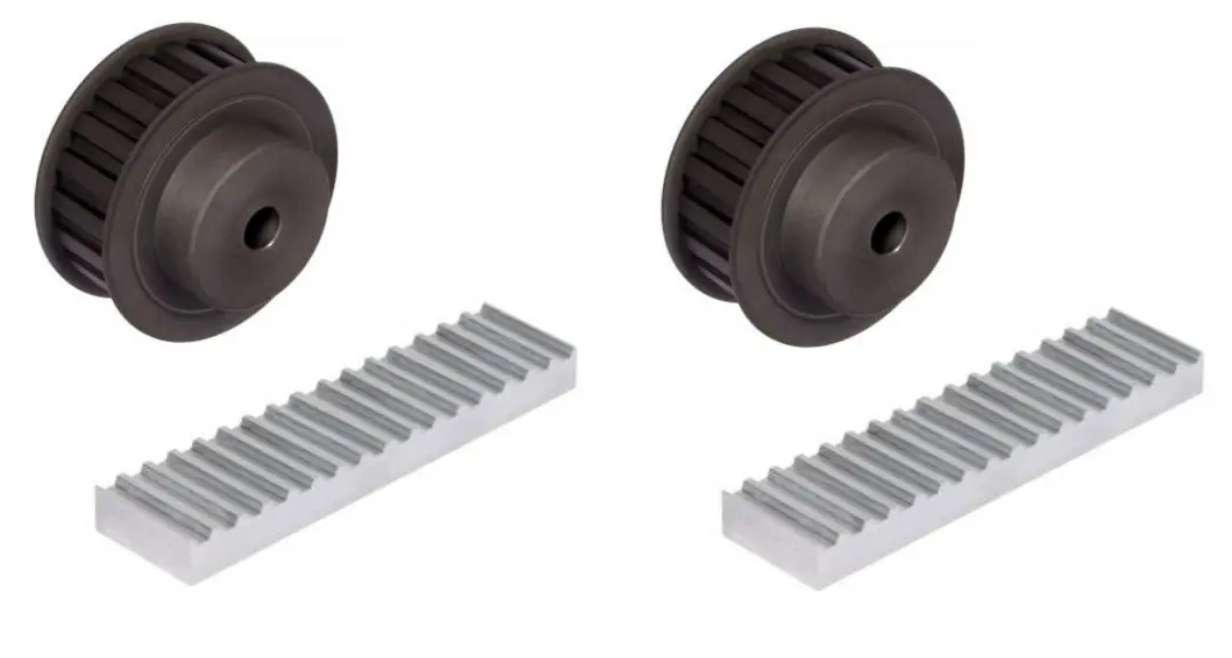
At the heart of Maedler Timing Belts lies precision engineering – a meticulous process that ensures these belts perform with accuracy and reliability. The teeth of the timing belts are designed with exacting measurements, allowing for a precise engagement with the pulleys. This precision is not a mere luxury; it's a requirement for maintaining consistent conveyor speed.
In the world of conveyor systems, where fractions of a second can make a significant difference, Maedler Timing Belts excel. The precise interlocking of the belt teeth with the pulley grooves results in a controlled and predictable movement. Whether it's the transportation of delicate electronics or heavy industrial components, the precision-engineered into Maedler Timing Belts ensure that the conveyor speed remains steady, contributing to a harmonious and efficient workflow.
D. Dynamic Speed Control: Adapting to the Rhythm of Production
In the ever-evolving landscape of modern manufacturing, adaptability is a prized trait. Maedler Timing Belts, designed with dynamic speed control in mind, allow conveyor systems to adapt seamlessly to changing production demands. This dynamic control is not a simple on-off switch; it's a nuanced dance that responds to the intricacies of the production line.
Consider a scenario where production requirements shift, and the conveyor system needs to accommodate a higher or lower throughput. The dynamic speed control feature of Maedler Timing Belts allows for precise adjustments without sacrificing efficiency or reliability. This adaptability ensures that the conveyor system operates at its optimum speed, aligning with the nuanced requirements of the production environment.
E. The Influence of Maedler Pulleys on Conveyor Speed
- High-Quality Pulley Design: Crafting the Foundation for Performance
While Maedler Timing Belts take the spotlight for their precision, Maedler Pulleys form the silent foundation upon which conveyor performance rests. Crafted with high-quality materials and precision construction, Maedler Pulleys play a critical role in maintaining the desired conveyor speed. These pulleys are not just passive components; they are active contributors to the overall efficiency of the conveyor system. The design of Maedler Pulleys is a testament to their role in ensuring smooth power transmission. The grooves on the pulley precisely match the teeth on the timing belts, creating a symbiotic relationship that minimizes slippage and maintains the desired speed. This high-quality pulley design is not only about performance; it's about reliability, ensuring that the conveyor system operates consistently and predictably under varying loads and conditions. - Tension Control for Speed Optimization: Striking the Right Chord
Maintaining the right tension in a conveyor system is akin to finding the right tension in a musical instrument – it's about striking the perfect chord. Maedler Pulleys, with their emphasis on tension control, ensure that the timing belts are under optimal tension for efficient power transmission. This is a crucial aspect of maintaining the desired conveyor speed. In a dynamic production environment, where loads can vary and conditions change, the ability to control tension becomes a key factor in achieving and sustaining the right conveyor speed. Maedler Pulleys provide the means to fine-tune this tension, ensuring that the conveyor system operates with the precision required for modern manufacturing.
F. Combined Impact on Conveyor Throughput
- Synchronization of Timing Belts and Pulleys: The Dance of Efficiency
The true magic happens when Maedler Timing Belts and Pulleys join forces in a synchronized dance. The precision of the timing belts and the reliability of the pulleys create a synergy that goes beyond individual performance metrics. It's about creating an efficient and seamless conveyor system that maximizes throughput while maintaining a constant speed. The synchronization between timing belts and pulleys is not a mere technicality; it's a strategic advantage. When materials move smoothly, guided by the interlocking teeth and grooves of Maedler Timing Belts and Pulleys, the result is a conveyor system that operates like a well-choreographed performance. This synchronization minimizes the risk of jams, misalignments, or disruptions, contributing to a continuous and efficient material flow. - Maximizing Production Rates: Elevating Efficiency to New Heights
Efficiency in a conveyor system is not just about speed; it's about maximizing production rates. The combined impact of Maedler Timing Belts and Pulleys goes beyond maintaining a constant conveyor speed; it contributes to elevating the overall efficiency of the production process. Consider a scenario where a manufacturing facility needs to ramp up production to meet increased demand. The adaptability of Maedler Timing Belts, coupled with the reliable performance of Maedler Pulleys, allows the conveyor system to respond dynamically to these changing requirements. The result is a conveyor system that maximizes throughput, meeting production targets with agility and precision.
G. Case Studies: Real-World Harmony in Action
To truly appreciate the impact of Maedler Timing Belts and Pulleys on conveyor speed and throughput, let's explore a few real-world case studies where these components have played a transformative role in industrial processes.
- Case Study 1: Electronics Manufacturing
In the fast-paced world of electronics manufacturing, precision is non-negotiable. A company specializing in the production of intricate electronic components faced challenges with conveyor speed variations, leading to production errors and increased reject rates. By integrating Maedler Timing Belts and Pulleys, the company achieved a remarkable reduction in speed variations, resulting in a significant drop in defects and an improvement in overall throughput. The synchronized dance of timing belts and pulleys brought a newfound efficiency to the production line, enhancing the company's reputation for delivering high-quality products on time. - Case Study 2: Automotive Assembly
In the demanding environment of automotive assembly lines, where precision and speed are paramount, a leading car manufacturer sought to optimize conveyor performance. Maedler Timing Belts and Pulleys were introduced to replace existing components, resulting in a remarkable improvement in conveyor speed consistency. The dynamic speed control feature of the timing belts allowed the assembly line to adapt seamlessly to changes in production requirements, maximizing throughput and reducing cycle times. The successful integration of Maedler components contributed to the company's ability to meet increased demand without compromising on quality.
H. Tips for Optimal Performance
With the insights gained from understanding the impact of Maedler Timing Belts and Pulleys on conveyor speed and throughput, let's delve into practical tips for ensuring optimal performance.
- Tip 1: Regular Maintenance Checks
Maintaining the performance of Maedler Timing Belts and Pulleys begins with regular maintenance checks. Inspect the belts for signs of wear or damage, and ensure that pulleys are free from debris. Regular lubrication of pulley bearings contributes to smooth operation and minimizes friction, enhancing overall efficiency. - Tip 2: Tension Adjustment
Optimal tension is a key factor in achieving and maintaining the desired conveyor speed. Periodically check and adjust the tension of Maedler Timing Belts to ensure they are within the recommended specifications. This simple yet crucial step contributes to consistent power transmission and prevents issues associated with inadequate tension. - Tip 3: Temperature Considerations
Take into account the operating environment and temperature conditions. Maedler Timing Belts are designed to perform in a range of temperatures, but extreme conditions can affect their efficiency. Ensure that the conveyor system is operating within the recommended temperature range to maximize the lifespan and performance of the timing belts and pulleys. - Tip 4: Alignments and Configurations
Proper alignment of the conveyor system components is essential for optimal performance. Misalignments can lead to increased wear and tear on both timing belts and pulleys. Regularly check and adjust alignments to ensure that the components work in harmony, contributing to a smoother and more efficient material flow.
Conclusion
In the symphony of industrial processes, where efficiency and precision dictate success, Maedler Timing Belts and Pulleys emerge as the virtuosos, shaping the performance of conveyor systems with finesse and reliability. The significance of conveyor speed and throughput transcends numerical metrics; it's about the seamless orchestration of materials through the intricate dance of timing belts and pulleys.
From the precision engineering of timing belts to the high-quality design of pulleys, each component plays a unique role in determining the efficiency and reliability of conveyor systems. The impact goes beyond maintaining a constant speed; it contributes to the maximization of throughput, elevating production rates and enhancing the overall competitiveness of machine-building industries.
As we navigate the evolving landscape of modern manufacturing, where adaptability and efficiency are prerequisites for success, the choice of components becomes paramount. Maedler Timing Belts and Pulleys, with their dynamic speed control, tension optimization, and precision engineering, stand as pillars of reliability in the quest for operational excellence. They are not merely components; they are the architects of efficiency, sculpting the future of conveyor systems in the machine-building industry.
As we conclude this exploration into the art of precision, let us recognize the transformative power of Maedler Timing Belts and Pulleys. In the rhythm of conveyor systems, where every beat counts, these components have proven to be the maestros, conducting a symphony of efficiency that resonates through the halls of modern industry.
J. Reference Links
Principle Brand’s Official Website: Maedler Timing Belts and Pulleys
Products:
* Please note that the information provided in this blog is a combination of AI-generated information models, the expertise of human writers, and industry professionals. All efforts have been made to ensure the accuracy and reliability of the information presented here.
Share this article
