Blog

Multidimensions| Posted on Aug 21, 2023 |28 min Read

Warner Electric Clutch Brakes: The Key to Seamless Machine Transitions

Warner Electric Clutch Brakes: The Key to Seamless Machine Transitions

A. Introduction: 

Smooth transitions between operational modes are critical for productivity and safety in the dynamic world of industrial machinery. Sudden stops and starts can cause downtime, wear, and other risks. Warner Electric Clutch Brakes shine as a solution in this situation. These components ensure controlled transitions by allowing machinery systems to engage and disengage gradually. They preserve operating consistency, improve efficiency, and extend the life of machinery by minimizing stress, vibrations, and shocks. Warner Electric Clutch Brakes are the key to accomplishing smooth machine transitions and bridging the gap between mechanical perfection and operational excellence.

B. Understanding the Challenge of Machine Transitions: 

The importance of smooth transitions in the delicate dance of machinery operations cannot be emphasized. Transitions are the points at which machinery changes from one operating condition to another, whether it's increasing production speed, changing movement direction, or even stopping. When handled flawlessly, these transitions enable uninterrupted workflow, maximize efficiency, and improve the overall lifespan of the equipment.

The difficulty stems from the inherent intricacy of these transitions. Abrupt starts and stops can be disastrous for industrial systems. The tension introduced by sudden jolts and jerks builds over time, resulting in accelerated wear and tear of essential components. This not only raises maintenance expenses but also jeopardizes the machinery's dependability. Furthermore, the disruptive nature of these transitions endangers worker safety. A sudden halt can result in accidents, injuries to workers, and damage to the products being created.

In the context of automated assembly lines, for example, a sudden start could result in misalignments, material spillage, or even product faults. A fast stop, on the other hand, could cause fragile goods to shatter or tumble, threatening workers nearby. As a result, creating controlled, progressive transitions is a critical step in ensuring a harmonious, safe, and efficient work environment. In the parts that follow, we'll go deeper into the technology that tackles these issues: Electric clutch brakes from Warner. These novel components not only prevent these difficulties, but also raise machinery transitions to a level of accuracy that optimizes both performance and safety.

C. The Role of Clutch Brakes in Transition Optimization:

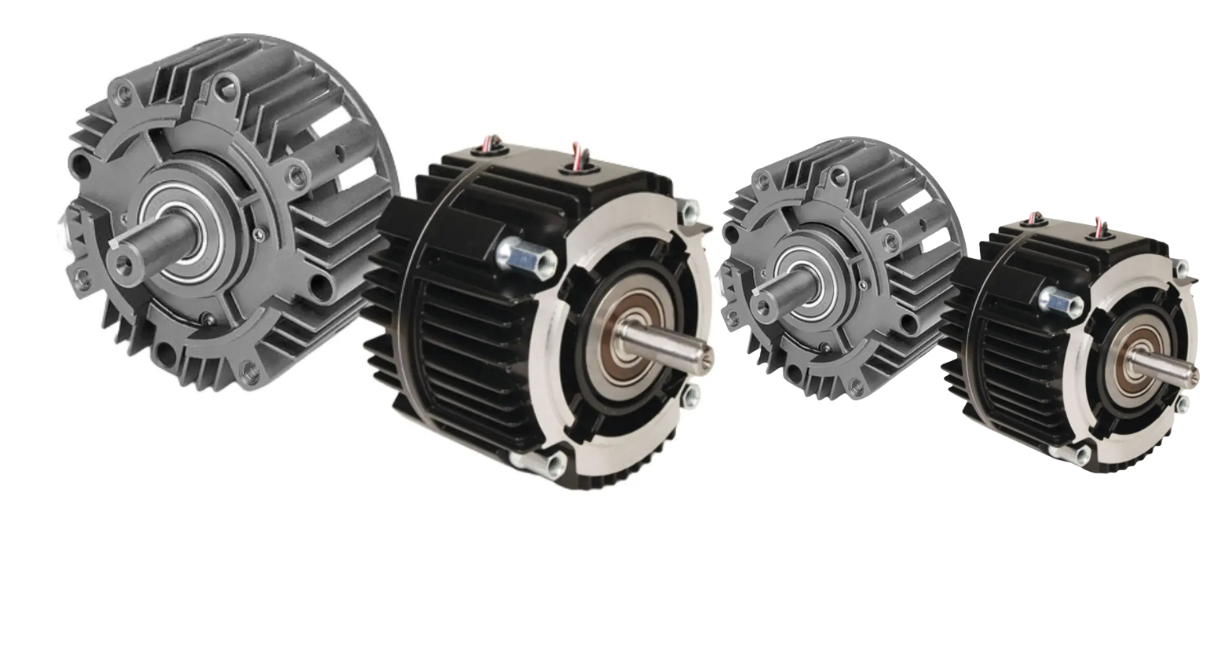
Warner Electric Clutch Brakes emerged as a key technology in overcoming the challenges presented by machine transitions. These cutting-edge components sit at the intersection of mechanics and control, successfully bridging the gap between classic mechanisms and modern accuracy. They play an important role in arranging smooth transitions that improve both performance and safety by seamlessly integrating into industrial systems.

  • Enabling Controlled Engagement and Disengagement: The capacity to control the engagement and disengagement of equipment systems is at the heart of Warner Electric Clutch Brakes. This capability allows for progressive changes in motion states, avoiding the shock and strain associated with abrupt transitions. These electromagnetic marvels function on the basis of electromagnetic force. When activated, they form a strong connection between moving parts, allowing for gradual motion synchronization. When the electromagnetic force is released, it fades, allowing for a smooth deceleration.
  • Minimizing Shocks, Jolts, and Vibrations: One of the most notable features of Warner Electric Clutch Brakes is their ability to reduce shocks, jolts, and vibrations during transitions. The regulated engagement and disengagement they enable to act as a cushion, absorbing energy that would otherwise be conveyed as sudden movements. This absorption not only minimizes mechanical stress on components, but it also keeps the equipment stable, resulting in smoother transitions overall.

Warner Electric Clutch Brakes, in essence, add a new level of refinement to machinery transitions. Their precision-engineered technology turns a once-disruptive procedure into a synchronized motion symphony. We shall discover their far-reaching impact on industries and operations throughout the spectrum as we delve deeper into their benefits, establishing their reputation as a cornerstone of modern machinery optimization.

D. Advantages of Warner Electric Clutch Brakes: Elevating Machinery Excellence

Warner Electric Clutch Brakes provide a slew of benefits that jointly transform machinery operations. These advantages spread throughout the industrial environment, impacting efficiency, safety, and performance.

  • Smooth and Precise Transitions: Flowing Seamlessly: The capacity of Warner Electric Clutch Brakes to orchestrate smooth and accurate transitions is their primary benefit. They avoid the jarring shifts that normally follow abrupt starts and stops by allowing progressive engagement and disengagement of machinery systems. This continuous flow not only reduces interruptions but also maintains a regular rhythm throughout the machinery, optimizing production processes and lowering downtime.
  • Reduced Wear and Tear: Prolonging Component Life: A direct result of these controlled transitions is the reduction in wear and tear on mechanical components. Traditional abrupt transitions subject machinery to stress, accelerating the deterioration of vital parts. Warner Electric Clutch Brakes act as protective buffers, absorbing the energy that would otherwise cause damage. This leads to a longer component lifespan, minimized maintenance requirements, and ultimately, cost savings for businesses.
  • Enhanced Safety for Workers: Shielding the Workforce: Warner Electric Clutch Brakes play an important role in worker safety. Eliminating unexpected jolts and jerks reduces the chance of accidents and keeps personnel safe from potential threats. The reduced possibility of unexpected movements improves the overall safety of the work environment, whether it's assembly line operators or technicians operating in close proximity to machinery.
  • Improved Overall Machinery Performance: Boosting Productivity: As a result of these benefits, Warner Electric Clutch Brakes help to increase overall machinery performance. Their impact on smooth transitions, component longevity, and worker safety results in more efficient operations. Machinery performs best when stress is kept to a minimum and processes run smoothly. This gain in efficiency leads to more production, less downtime, and higher output—a clear win for companies striving for excellence.

In summary, the benefits of Warner Electric Clutch Brakes go beyond simple components; they reflect a change towards more refined equipment processes. As we delve deeper into their operation and investigate real-world applications, the comprehensive impact of these benefits will become clearer, cementing their standing as an essential tool for enterprises seeking to prosper in the modern industrial landscape.

E. How Warner Electric Clutch Brakes Work: 

A remarkable blend of physics and electromagnetism is at the heart of Warner Electric Clutch Brakes, resulting in a smoothly choreographed engagement and disengagement process. This technology is the foundation of their ability to assure smooth transitions and improve machinery operations.

Electromagnetic Engagement: The Dance of Attraction

When a machine equipped with Warner Electric Clutch Brakes is ready to go active, the process starts with electromagnetic engagement. Consider this a beautifully orchestrated dance between two partners—the rotor and the armature. The rotor, which is frequently connected to the driving section of the machinery, is located near the armature, which houses a wire coil. An electromagnetic field is created when an electric current travels through this coil.

This magnetic force is what starts the interaction. The armature is dragged towards the rotor, forming a strong bond between the two. This process of engagement is slow and controlled, resulting in a seamless and synchronized shift. In practice, this implies that when the machinery starts up, the connection between the rotor and armature gradually increases, preventing any unexpected jerks or shocks.

Disengagement: Elegantly Letting Go

The disengagement process is as exact as the engagement process. When the machinery needs to change states or come to a halt, the electric current to the coil is cut off. This process removes the armature from the rotor by extinguishing the electromagnetic field. Consider this the conclusion of a perfectly choreographed dance—a delicate parting that avoids the abruptness that is often the scourge of machine transitions.

Visualizing the Process: A Diagrammatic Journey

Let's draw a simple diagram to better understand this procedure. [Insert a labelled diagram or illustration of the rotor, armature, coil, and electromagnetic engagement-disengagement process here.] This image depicts the essence of Warner Electric Clutch Brake technology—the use of electromagnetism to allow for regulated and exact transitions within machines.

In conclusion, Warner Electric Clutch Brakes function as conductors of an electromagnetic orchestra, arranging graceful engagements and disengagements within machinery systems. This technology breaks free from the mechanical constraints of old components, ushering in a new era of accuracy and efficiency in industrial operations.

F. Real-world Applications and Case Studies:

Warner Electric Clutch Brakes have an impact across a wide range of industries, bringing about substantial benefits in machinery operations. From manufacturing behemoths to specialized industries, these components have proven their worth in smoothing transitions, increasing efficiency, and bolstering safety.

  • Industry Applications: From Assembly Lines to Conveyors: Warner Electric Clutch Brakes are used on assembly lines, where smooth transitions are critical. Consider a car assembly line, where precision and synchronization are critical. By including these clutch brakes, the start-up and shutdown phases become more synchronized, guaranteeing that the line's speed does not cause abrupt jolts. Similarly, in material handling systems such as conveyors, regulated engagement and disengagement are critical in reducing spillage, minimizing damage, and optimizing the conveyor's overall performance. 
  • Case Study: Enhancing Print Press Operations: Explore the realm of printing press operations, where quick changes between printing phases are the standard. A printing press maker fitted Warner Electric Clutch Brakes onto their equipment in one case study. The end result? Significant reduction in paper waste owing to inaccurate prints during startup, resulting in significant cost savings. The gradual engagement ensured that the press's speed increased without generating paper jams or compromising print quality. Furthermore, the planned disengagement process avoided abrupt stops, which could have resulted in costly downtime. This case vividly demonstrates how these clutch brakes reduced operations, improved print quality, and increased profitability.
  • Advancing Safety: Elevating Elevator Transitions: Elevators are a vital component of modern buildings in terms of vertical transportation. Warner Electric Clutch Brakes also shine here. Consider a high-rise office block with lifts that frequently stop and start. The seamless transitions achieved by combining these components not only improve passenger comfort but also save wear on lift components. This leads into longer maintenance intervals and higher uptime. Furthermore, in situations where emergency stops are required, the controlled disengagement reduces the abruptness of the stoppage, ensuring passenger safety and preventing potential injuries.

Finally, Warner Electric Clutch Brakes are more than just components; they are enablers of advancement in a variety of sectors. They've earned their place as crucial instruments for efficiency and safety by effortlessly managing transitions and harmonizing processes. Real-world case studies demonstrate their transformative impact, demonstrating their ability to turn problems into successes in a variety of industrial contexts.

G. Ensuring Worker Safety:

Workers' safety is critical in the dynamic world of industrial machinery, where accuracy meets power. Warner Electric Clutch Brakes emerge as critical workplace security guardians, minimizing risks linked to quick movements and abrupt transitions.

  • Mitigating Sudden Movements: A Key Safety Feature: Consider an operator operating a machine that starts up unexpectedly or comes to an abrupt stop. Such abrupt motions can not only frighten the worker, but they can also result in major mishaps. Warner Electric Clutch Brakes protect against these eventualities. Their controlled engagement and disengagement mechanisms are designed to eliminate dangerous jerks, jolts, and vibrations. Consider an industrial press that is used to shape metal sheets. The start-up cycle is smooth and gradual with Warner Electric Clutch Brakes incorporated. This not only avoids any unpleasant movements that could throw an operator off balance, but it also decreases the chance of contact with moving elements. Furthermore, during the shutdown phase, these clutch brakes enable a steady deceleration, preventing heavy equipment from coming to an abrupt halt and potentially injuring people.
  • Creating a Safer Work Environment: A Collective Responsibility: In terms of workplace safety, the incorporation of Warner Electric Clutch Brakes demonstrates a company's dedication to protecting its employees. These components, by minimizing rapid movements, create an atmosphere in which operators can operate with confidence, free from the constant fear of unanticipated shifts in equipment behavior. This increased sense of security goes beyond the immediate benefits of injury prevention; it develops a culture of trust and well-being among employees, enhancing morale and productivity in the long run.

In summary, Warner Electric Clutch Brakes are not merely components that optimize machinery operations; they embody a profound commitment to worker safety. By eradicating the hazards associated with abrupt movements, they contribute to the creation of a workplace where operators can perform their tasks with peace of mind, knowing that their safety is upheld. Through this lens, these clutch brakes become more than technological innovations; they become vital enablers of a safer, more productive industrial landscape.

H. Factors to Consider When Implementing Warner Electric Clutch Brakes:

To achieve the best performance and lifespan, integrating Warner Electric Clutch Brakes into equipment systems requires a deliberate approach. To choose the proper type of clutch brake for certain applications, several critical variables must be carefully addressed. Let's take a look at these criteria, which range from torque needs to compatibility and, when combined, pave the way for a smooth integration process.

  • Torque Requirements: Matching Power with Precision: It is critical to determine the torque requirements of the machinery. The torque capacity of the clutch brake must be compatible with the application's requirements. If the clutch brake's torque capability is insufficient, it may cause premature wear and poor performance. A clutch brake with high torque, on the other hand, may put unneeded pressure on the equipment. To establish the proper balance, careful calculation and evaluation of torque requirements are required.
  • Mounting Options: Fitting Seamlessly: The mounting option chosen is critical for proper integration. Warner Electric Clutch Brakes are available in a variety of designs, including foot-mounted, flange-mounted, and shaft-mounted. The mounting style must be suitable for the existing machinery arrangement as well as the available space. A suitable mounting solution guarantees a secure fit and efficient power transmission during engagements and disengagements.
  • Compatibility: Ensuring Cohesive Performance: It is critical to ensure compatibility between the clutch brake and the machinery's existing components. This entails determining the brake's compatibility with the electrical and mechanical systems of the machinery. Components should interact with one another without producing friction or interruption. Furthermore, taking environmental factors such as temperature, humidity, and contaminant exposure into account guarantees that the clutch brake stays reliable over time.
  • Engagement Speed: Fine-tuning Operational Flow: The engagement speed of the clutch brake should align with the machinery's operational requirements. A balance must be struck between engaging quickly for a timely response and engaging gradually to prevent sudden jerks. For applications where rapid starts are critical, a clutch brake with a faster engagement speed may be preferred, while applications requiring smoother transitions might necessitate a more gradual engagement.
  • Control Mechanism: Precision at Your Fingertips: Choosing the right control mechanism is critical for optimizing machinery operations. The control mechanism determines how the clutch brake engages and disengages, influencing the machinery's overall responsiveness. Manual, pneumatic, or electric control are all options, with each providing distinct advantages in terms of precision and ease of operation.

Essentially, the effective application of Warner Electric Clutch Brakes is dependent on careful consideration of these criteria. Choosing a clutch brake based on torque, mounting, compatibility, engagement speed, and control mechanism ensures that the clutch brake fits effortlessly with the machinery, improving efficiency, dependability, and safety. Businesses may leverage the full potential of these components and propel their machinery to new heights of performance by using this strategic approach.

I. Steps to Successful Integration of Warner Electric Clutch Brakes:

To achieve a successful deployment, integrating Warner Electric Clutch Brakes into current equipment systems demands a systematic approach. To traverse the integration process and make the most of these new components, follow these step-by-step instructions:

  • Assessment and Planning: Begin by thoroughly assessing the machinery's operational requirements, torque demands, and transition needs. This evaluation forms the foundation for selecting the appropriate clutch brake model. Consider factors such as mounting options, compatibility with existing components, and the control mechanism that aligns with your machinery's setup. 
  • Component Inspection and Preparation:  Inspect the chosen Warner Electric Clutch Brake to confirm that all of its components are in good working order. Examine the product specs, installation instructions, and any necessary adjustments for compatibility with your gear.
  • Determine Mounting Position: Determine the best installation location for the clutch brake. Examine space limits, alignment with other components, and maintenance accessibility. Ascertain that the position chosen allows for optimal power transmission during engagements and disengagements.
  • Mounting and Alignment:  Install the clutch brake securely using the appropriate mounting method (foot-mounted, flange-mounted, or shaft-mounted). To achieve smooth mechanical interactions, align the clutch brake with other sections of the machinery. Pay close attention to alignment to ensure that the components fit together smoothly and without hindrance.
  • Electrical Integration: Connect the clutch brake's electrical cabling to the control system of your machines. Follow the manufacturer's instructions for wire connections, voltage, and current. Check the connections again to ensure that the clutch brake and the control mechanism are communicating properly.
  • Adjustment and Calibration: To fine-tune the functioning of the clutch brake, engage in rigorous adjustment and calibration. Set the engagement and disengagement points to meet the needs of your machines. Under controlled settings, test the clutch brake to ensure its responsiveness and alignment with the intended transition speed and precision.
  • Test Runs and Observations:  Run test runs to determine the success of the integration. Observe the clutch brake's behavior throughout different transitions, taking note of any anomalies, sounds, or unexpected motions. Address any problems as soon as possible and make the required adjustments to obtain the desired performance.
  • Operator Training:  Operators and maintenance employees should be trained on the newly integrated clutch brake system. Make them familiar with its functions, modifications, and appropriate operation. To ensure that everyone interacts with the machinery confidently and securely, emphasize safety protocols such as engaging and disengaging processes.
  • Continuous Monitoring and Maintenance:  Monitor the performance of the integrated clutch brake system on a regular basis. Maintain it on a regular basis to ensure its effectiveness and dependability. Address any wear or faults as soon as possible to avoid potential disruptions in machinery operations.

To summarize, successful Warner Electric Clutch Brake integration necessitates careful design, precise execution, and a commitment to optimizing machinery performance. By following these steps and taking into account adaptations particular to your machinery, you may ensure a smooth transition that improves efficiency, safety, and overall operational excellence.

J. The Future of Seamless Transitions:

The field of machine transitions evolves in tandem with the industrial landscape. Clutch brake technology advancements are poised to alter how machinery runs, ushering in a new era of accuracy, adaptability, and efficiency. Warner Electric Clutch Brakes, which has already been at the forefront of this shift, plans to continue its journey of innovation in order to suit the changing needs of industries.

  • Advancements in Clutch Brake Technology: Precision Redefined: Even more improved clutch brake technology awaits in the future. Consider improved control mechanisms that allow for microsecond modifications in engagement and disengagement, resulting in transitions that are so smooth that they are invisible to the human eye. These developments will not only improve machine operations but also raise the quality of finished products, which is especially important in industries such as printing.
  • Smart Integration and Automation: Seamless Synergy: Another area of investigation is the combination of Warner Electric Clutch Brakes with smart technology. Consider machine systems that alter transition settings automatically based on real-time data and performance statistics. Clutch brakes with sensors could connect with control systems to optimize transitions based on load, temperature, and other dynamic parameters. This would result in significant energy savings, decreased wear, and unparalleled levels of operational efficiency.
  • Customization and Flexibility: Tailoring to Diverse Needs:  Clutch brake technology is likely to evolve to provide greater customization as businesses diversify and adopt specialized procedures. Warner Electric Clutch Brakes might be engineered to accommodate varied torque requirements, engagement speeds, and even climatic conditions. This versatility ensures that the precision and dependability of these components benefit every machine arrangement.
  • Human-Machine Collaboration: Safety in Focus: Future developments may also concentrate on improving the connection between machinery and operators. Warner Electric Clutch Brakes could foresee future anomalies and adjust transitions accordingly by leveraging technology such as artificial intelligence and machine learning. This proactive strategy would help to achieve even greater levels of safety by preventing accidents before they happen and ensuring worker well-being.

Finally, the future of seamless machine transitions promises to be extraordinary. Warner Electric Clutch Brakes, as forerunners in this evolution, will almost certainly play a key role in shaping these advancements. As industries continue to demand greater precision, economy, and safety, clutch brake technology of the future is poised to exceed expectations, enabling machines to perform at previously unthinkable levels. In this fascinating journey, Warner Electric Clutch Brakes are certain to remain more than just a solution, but a crucial driver of industrial advancement.

K. Conclusion:

Within the complicated world of industrial machinery, Warner Electric Clutch Brakes have emerged as the key to producing smooth and regulated transitions. These new components are likely to revolutionize the way machines operate as the industrial landscape evolves, bringing advancements that improve precision, adaptability, and efficiency. These clutch brakes show the combination of technology and mechanics, from protecting worker safety by preventing unexpected movements to fine-tuning engagement and disengagement for best performance. As industries continue to push the limits of productivity and safety, Warner Electric Clutch Brakes is poised to not only meet these challenges, but to lead the way to a future where flawless transitions are the hallmark of machinery excellence.

L. Reference Links:

*Please note that the information provided in this blog is a combination of AI-generated information models, the expertise of human writers, and industry professionals. All efforts have been made to ensure the accuracy and reliability of the information presented here.


Latest blogs to read